At SL BAGS, we believe that collaboration helps us move forward. That’s why we draw on knowledge, tools, and independent assessments to help us provide insight into our performance, the origin of our materials, and the climate impact of our products. In this way, we’re working step by step toward responsible products, reliable supply chains, and transparent information.
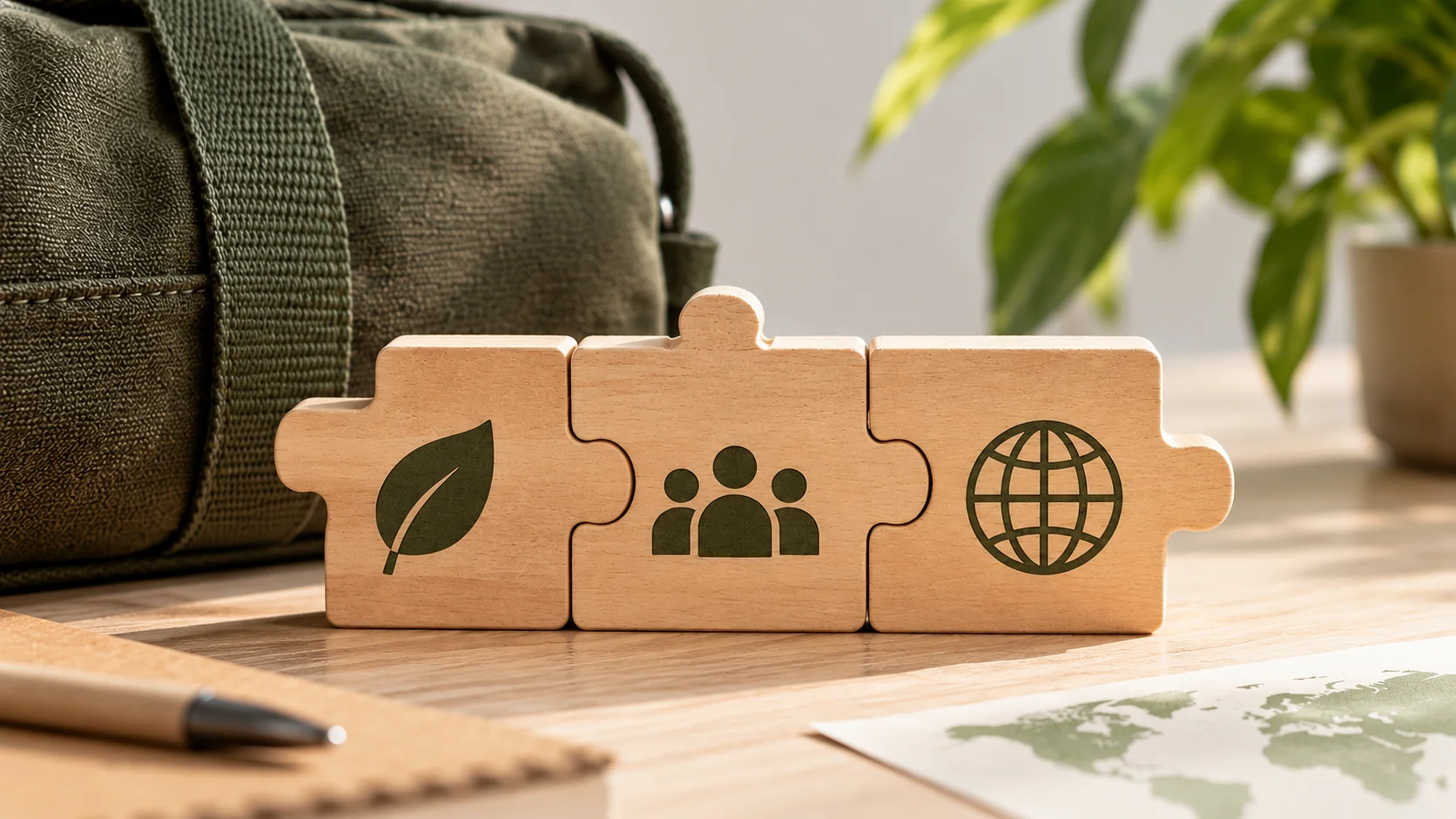
Sustainability Partners
Working together towards transparency and responsible business practices.
IPPAG – understanding our carbon footprint.
Since 1 January 2026, SL BAGS has been an official IPPAG partner. Using the IPPAG Carbon Tracking Tool, we calculate and assess the carbon footprint of our products and materials. This tool helps us better understand the climate impact throughout our supply chain and identify opportunities for improvement. By using data and measurable insights, we can work more effectively with our suppliers to reduce our environmental impact.
EcoVadis – independent assessment.
Alongside quality, we place great importance on sustainability and corporate social responsibility. SL BAGS has achieved the EcoVadis Platinum rating, one of the highest distinctions within the EcoVadis sustainability assessment. This independent assessment recognises our efforts in the areas of environment, labour and human rights, ethics and sustainable procurement. It's an achievement we're proud of and one that motivates us to keep improving.
Aware™ – transparency you can trace.
How can you find out where the materials in a bag come from and which stages they have gone through during production? With Aware™ Digital Product Passport technology, we make relevant information about the origin and processing of our bags digitally accessible. Within this technology, materials are assigned a digital identity. At different stages of the supply chain, the production partners involved can add information about material origins, processing and manufacturing. This data is recorded using blockchain technology. This creates a digital overview of the materials' journey, making information transparent and verifiable. Through a QR code on the bag, distributors and end users can access the Digital Product Passport. Not a quality label or certificate, but insight into the story behind the bag. At SL BAGS, we use this technology as part of Trace Me!, our Digital Product Passport. Our aim is to make information about materials, production and relevant sustainability aspects easily accessible to our customers.
Moving forward together on The Honest Journey.
Working with external organisations and using specialised tools helps us make informed decisions. They enable us to make information accessible, assess our performance and identify opportunities for improvement. Because responsible business practices are not a final destination. They are an ongoing journey of learning and continuous improvement.