Printing Techniques
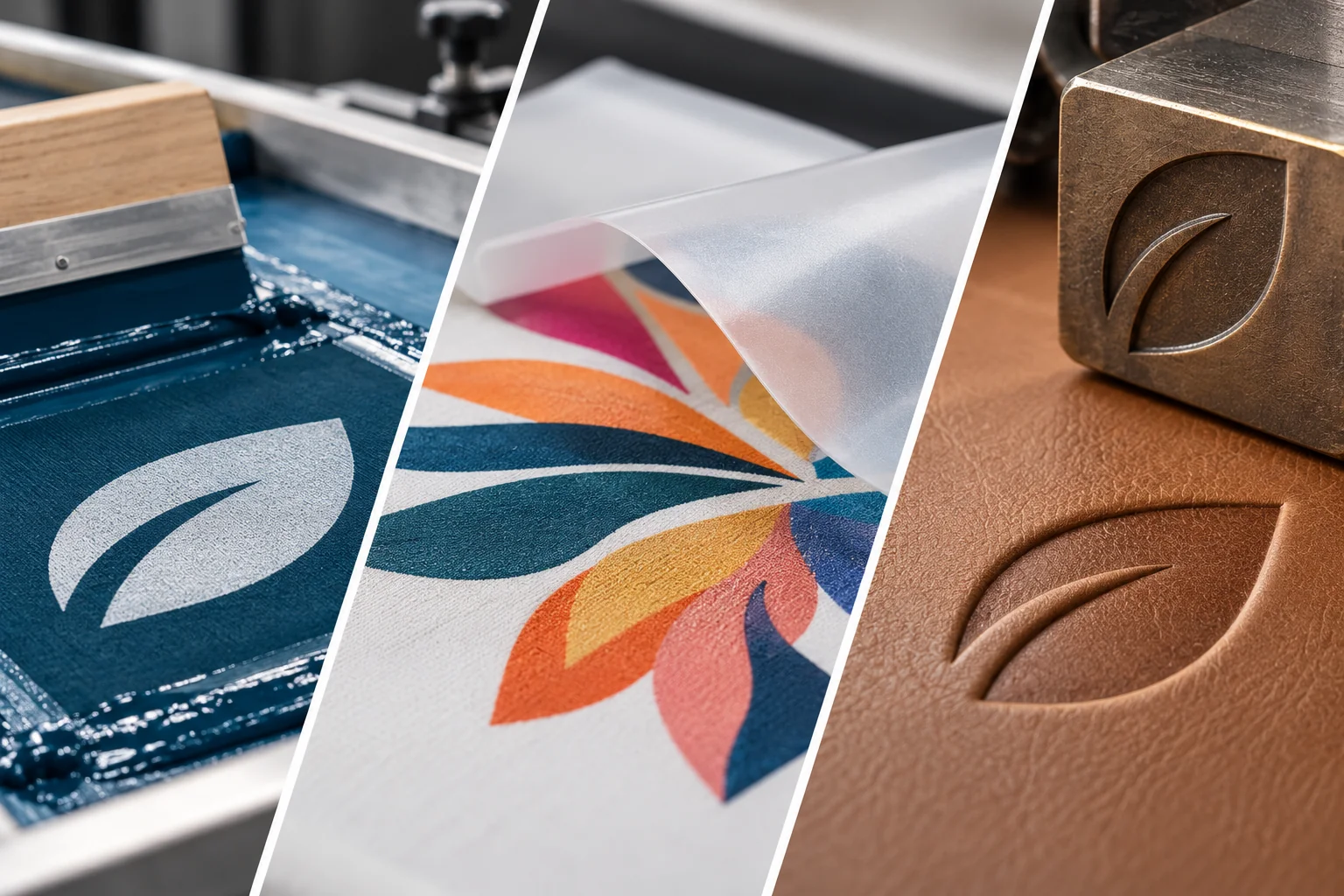
Which printing technique is right for your bag?
Printing Techniques
Screen printing
Powerful in colour. Simple in design.
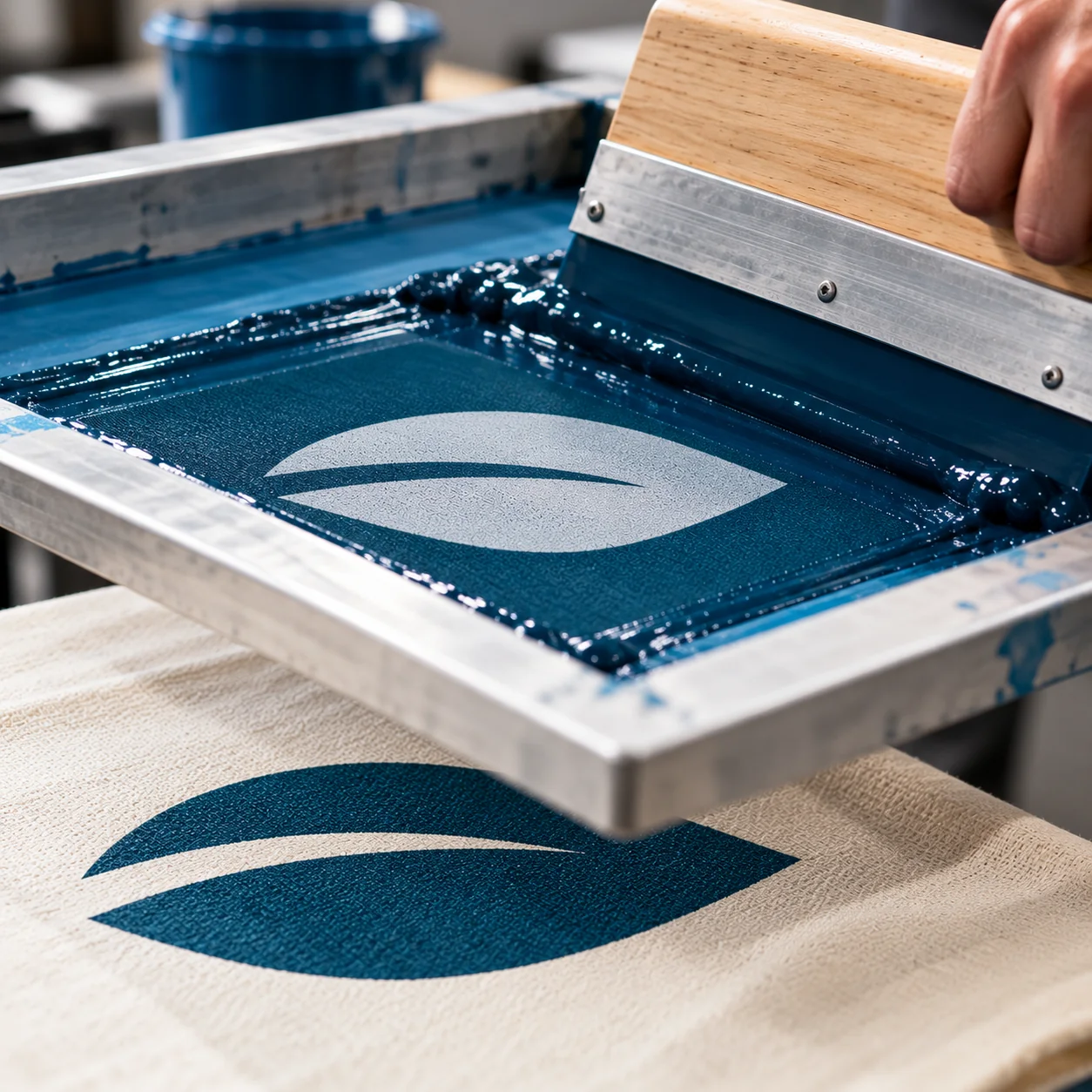
Screen printing is a widely used technique for personalising bags. With this method, ink is applied directly to the material using a screen printing frame. A separate screen is generally used for each print colour. This makes screen printing particularly suitable for designs featuring one or a few distinct colours.
When should you choose screen printing?
Screen printing is an excellent choice when you want your logo or design to stand out clearly and remain easily recognisable. This technique is commonly used on shoppers, cotton bags and other suitable textile materials.
Key features of screen printing:
- Suitable for logos and designs featuring one or a few colours.
- Good colour coverage and clear reproduction of the design.
- Cost-effective for larger quantities, as setup costs are spread across more units.
- Less suitable for designs with complex colour gradients or photographic details.
Screen printing is therefore a practical choice for promotional bags, events and business applications where a recognisable logo takes centre stage.
Printing Techniques
DTF Transfer Printing
Allows for fine details and a wide range of colours.
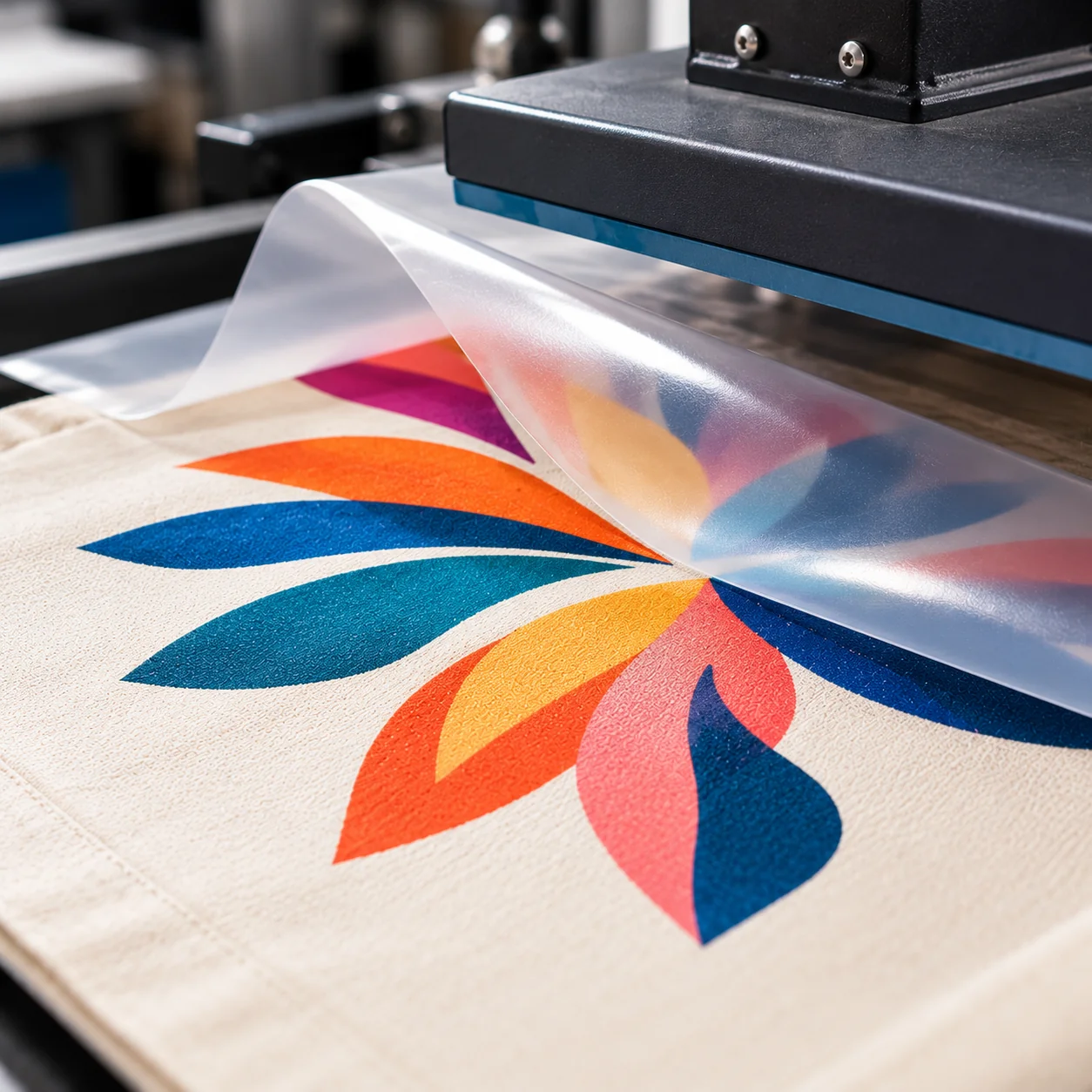
DTF stands for Direct to Film. With this technique, a design is first printed onto a special film. It is then transferred onto the bag using adhesive powder, heat and pressure. The main advantage of DTF transfer printing is its ability to reproduce designs featuring multiple colours, fine details and colour gradients.
When should you choose DTF transfer printing?
DTF is an excellent option when a logo or design contains multiple colours or when fine details are important. Think of colourful company logos, illustrations or designs that cannot easily be reproduced using traditional screen printing.
Key features of DTF transfer printing:
- Suitable for multicoloured designs and fine details.
- Allows for colour gradients and complex images.
- Flexible for different order quantities.
- The print forms a thin layer on the material and may therefore be slightly noticeable to the touch.
- Suitability depends on the fabric, coating and heat resistance of the bag.
DTF transfer printing offers plenty of creative freedom and is a great choice when your design calls for more intricate details and visual impact.
Printing Techniques
Embossing
Subtle and stylish.
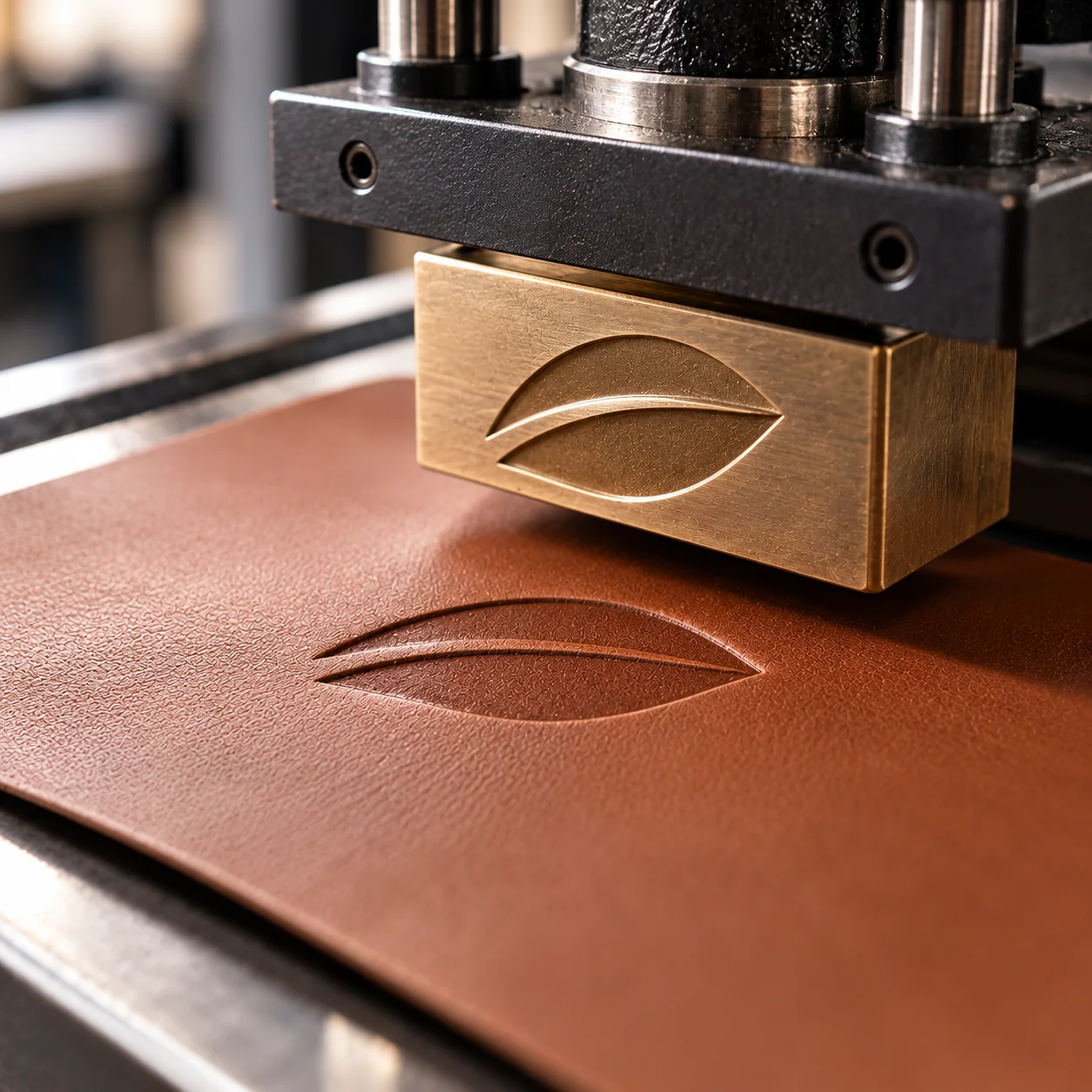
Not every logo needs bold colours to stand out. Sometimes, the impact lies in a subtle finish. With embossing, a logo or design is pressed into the material using a mould and pressure, creating a textured effect without the need for ink. When the design is pressed down into the material, this is known as debossing.
When should you choose embossing?
Embossing or debossing is particularly suitable when you want to create an understated, stylish appearance. This technique is commonly used on leather and certain synthetic leather materials.
Key features of embossing:
- Subtle personalisation without bold print colours.
- A tactile, textured effect that becomes part of the material's surface.
- Suitable for simple logos and clearly defined shapes.
- The final appearance depends largely on the type of material and the depth of the impression.
- Less suitable for very fine details or complex designs.
This technique is an excellent choice for bags where a refined, premium appearance is desired.
Frequently Asked Questions
Frequently asked questions about bag printing
With screen printing, ink is applied directly to the material, usually using a separate screen for each colour. With DTF transfer printing, the design is first printed onto a special film and then transferred onto the bag using heat. Screen printing is often a good choice for simple designs and larger quantities, while DTF transfer printing offers greater flexibility for complex, colourful designs and fine details.
Not every bag is suitable for every printing technique. The fabric, coating, heat resistance and construction of the bag determine which options are available. The placement of the logo also plays an important role. Seams, zips, compartments and other details can affect the available printing area. At SL BAGS, we assess the possibilities for each product and advise on the most suitable printing technique and logo placement.
Looking to personalise a shopper, backpack, sports bag or another product from our stock collection with a logo? With our expertise in bags and personalisation, we're happy to help you make the right choice. From selecting the perfect bag to choosing the most suitable printing technique, we're here to advise you every step of the way.